

Receiving certified IRS letters or notices can be a stressful experience, but understanding the reasons behind it and knowing how to respond can help alleviate some of the anxiety when you ask yourself, ‘Why would I get certified IRS letters?’. This article will guide you through the common reasons the IRS sends certified letters, the specific types of notices you may receive, how to spot fraudulent IRS letters, and the steps to take when responding to them. Use the index below to navigate through the different topics and find the information you need.
Now, let’s explore why the IRS sends certified letters to taxpayers.
Why Are Certified Letters Sent to Taxpayers by the IRS?
The IRS sends certified letters to taxpayers for several important reasons. These letters serve as official communications to ensure that the taxpayer is aware of certain issues related to their federal taxes. Here are the main reasons the IRS uses certified mail:
- Notice requirement: Certified letters fulfill the IRS’s legal requirement to notify taxpayers of certain actions about their tax situation, which may include the possibility of appearing in Tax Court.
- IRS collection actions: When the IRS initiates collection activities for unpaid federal taxes, certified letters are sent to notify taxpayers of the actions being taken. This may include notices of liens, levies, or other enforcement actions.
- Questions about tax returns: If there are discrepancies or questions about a taxpayer’s return, the IRS may use certified mail to request additional information or clarification to maintain clear and documented communication.
- Correspondence audits: The IRS may conduct audits through the mail, known as correspondence audits. Certified letters notify taxpayers of these audits and request supporting documentation for their tax returns.
- Documentation retention: Certified mail provides both the IRS and the taxpayer with proof of communication. This is critical for legal purposes because it ensures that there is a verifiable record of the notice being sent and received.
- Official confirmation: Sending certified letters ensures that the IRS has official confirmation that the taxpayer received the notice. This is particularly important in time-sensitive matters.
By understanding these reasons, taxpayers can better appreciate the importance of responding promptly and appropriately to any certified letter received from the IRS.
Which Notices and Letters Are Most Commonly Sent by the IRS via Certified Mail?
The IRS sends a variety of notices and letters via certified mail to ensure that important tax matters are effectively communicated to taxpayers. These notices, which often relate to tax liability or unpaid taxes, require timely attention and action. The following are the most common types of notices and letters you might receive from the IRS by certified mail.
Outstanding Balance
Receiving a certified mail notice of an outstanding tax balance means that the IRS has determined that you owe unpaid taxes. This can relate to several types of taxes, including payroll taxes. Ignoring these notices can lead to an escalation of the collection process, which can include liens, levies, and additional penalty assessments.
It’s important to contact the IRS immediately upon receiving certified letters requesting payment. Prompt action can help you resolve the unpaid tax balance, avoid additional interest and penalties, and possibly set up a payment plan to manage the outstanding tax balance.

Problems With Refunds
A refund discrepancy can occur for several reasons, including errors on your return, IRS adjustments, or changes in your tax liability. Common causes include incorrect information on your return, updates to your filing status, or corrections made by the IRS due to mismatched records.
If you receive a certified letter regarding a refund issue, it’s important to compare the revised refund amount to the original amount claimed on your return. This comparison will help you identify discrepancies and understand the nature of the problem.

Read the entire notice carefully to understand any additional steps you need to take. The notice may include instructions on how to respond or provide additional documentation. If you find changes or are unsure about the adjustments, it’s a good idea to contact a tax accountant. They can help you assess changes to the refund amount, provide guidance on how to proceed, and ensure that you address any issues effectively. Prompt action can prevent further complications, such as additional delays or penalties.
Questions on Returns
The IRS may have questions about a tax return that can affect the refund process. These questions often arise from discrepancies or incomplete information on the filed return. Understanding the nature of these inquiries and how they are communicated is critical to addressing them promptly.
They may first send requests for additional information by standard mail. These requests are usually less urgent and may relate to minor issues. However, if the IRS needs to ensure you receive and respond to its inquiry, it will send a certified letter. Certified letters are used for more significant concerns that provide proof of delivery and require your immediate attention.

The IRS may inquire about various aspects of your tax return, including but not limited to:
- Sources of income: Verification of all reported income, including wages, self-employment earnings, and investment income.
- Mailing address discrepancies: Ensuring that the address on your return matches their records and any other documents submitted.
- Tax credits: Verification of claimed credits, such as the Earned Income Tax Credit (EITC), child tax credit, and education credits.
- Deductions verification: Confirmation of claimed deductions such as charitable contributions, mortgage interest, and medical expenses.
If you receive a certified letter, it’s important to respond promptly to avoid delays in the refund process and potential penalties.
Identity Verification
The IRS may send identity verification letters to ensure the authenticity of a taxpayer’s identity to protect against fraud and identity theft. Understanding the identity verification process and the documentation required is critical to completing this step efficiently.
When the IRS needs to verify your identity, it will send you a certified letter, such as a 5071C, 5747C, or 5447C. These letters outline the steps you need to take and the criteria for identity verification. This process is essential to confirm that the original return filed is yours and to prevent unauthorized access to your tax information.
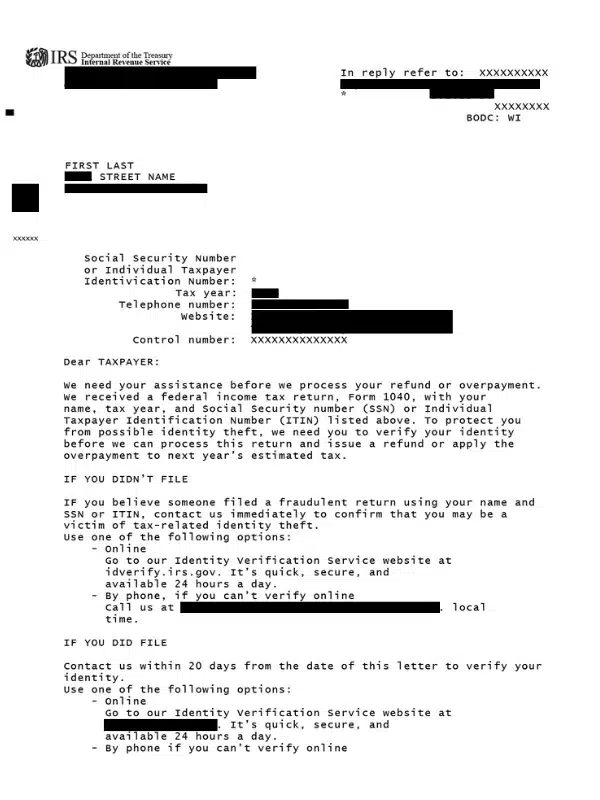
The ID requirements and steps for verification are as follows:
- Valid forms of identification: You must provide information from valid forms of identification, such as credit card accounts, student loan accounts, or bank accounts associated with a financial institution to help the IRS verify your identity against their records.
- Mobile phone numbers: A cell phone number registered in your name may be used for verification. The IRS may send a security code to this number as part of the process.
- Income tax returns: It is important to have a copy of your most recent income tax returns. You may need to provide details from these returns, such as your filing status and specific line items.
- Steps to take:
- Follow the instructions in the certified letter you received.
- Visit the IRS Identity Verification Service website or call the number provided in the letter.
- Provide the information requested, such as your Social Security Number, date of birth, and information from your identification documents.
- Complete any additional steps as instructed, such as submitting documents or answering security questions.
By following these steps and providing the necessary documentation, you can complete the identity verification process smoothly and ensure the security of your tax information. Responding to the certified letter promptly is essential to avoid delays in processing your tax return and receiving any refunds due.
Missing/Necessary Information
If the IRS identifies missing or required information on your return, it will notify you by certified letter. It is vital to address these issues promptly to avoid delays in processing your return and potential penalties. Here’s how to identify missing information:
- Review the certified letter: The certified letter you receive will specify what information is missing or required. Read the letter carefully to understand exactly what the IRS needs.
- Common missing information: This may include missing forms such as W-2s or 1099s, incorrect employer information, or incomplete sections of your tax return.

To contact the IRS, proceed as follows:
- Use IRS contact information: The letter provides contact details, including a phone number and possibly an address or fax number. Use these to contact the IRS for further instructions.
- Prepare your information: Before contacting the IRS, gather any documents that relate to the missing information. This includes copies of your W-2 or 1099 Form, employer information, and any other relevant records.
To provide the required documents or records, take the following steps:
- Mail or fax the documents: Follow the instructions on the certified letter to submit your documents. You may need to mail or fax copies of the required forms and records to the IRS.
- Electronic filing: In some cases, the IRS may allow you to submit information electronically. Check the letter or the IRS website for details on how to do this.
- Keep copies: Always keep copies of any documents you send to the IRS for your records.
By promptly identifying the missing information, contacting the IRS, and providing the required documents, you can efficiently resolve problems with your return. Addressing these requests quickly will help ensure that your return is processed without further delay.
Changes/Amendments to Returns
When the IRS makes changes or amendments to your tax return, it’s important to review these changes quickly so you can respond in a timely manner. Efficiently addressing tax return changes ensures that your tax information remains accurate and up to date:
- Prompt review: As soon as you receive a notice to taxpayers regarding return changes, carefully review the changes made by the IRS. The notice will detail the specific edits to tax returns and explain the reasons for the changes.
- Understand the changes: Make sure you understand the changes by comparing the IRS’s amended figures to the figures you originally reported. Look for any discrepancies or adjustments that may require further clarification.

To respond to the IRS’s letter regarding changes to your tax return, consider the following:
- Gather documentation: Collect all relevant documents that support your original tax return figures. This may include receipts, W-2 forms, 1099 forms, and other financial records.
- Contact the IRS: Follow the instructions in the notice to contact the IRS. This may include calling a specific phone number or mailing a response. Be prepared to provide documentation to support your position.
- Submit a response: If you agree with the amendments, you may need to sign and return the notice. If you disagree, write a clear and concise letter explaining your reasons and include any supporting documentation.
- Amend your return: If necessary, file an amended tax return (Form 1040-X) to correct any errors or omissions. This will ensure that your tax records reflect accurate return information.
By promptly reviewing any changes to your return and responding to IRS correspondence, you can efficiently address changes and maintain an accurate tax return. Timely and thorough responses help prevent further complications and ensure your tax information is up to date.
Processing Delays
The IRS may send certified letters to notify taxpayers of processing delays, which can occur for several reasons. Understanding these causes and how to address them can help ensure that your tax matter is resolved efficiently. They include:
- Outstanding tax liability: If there are unresolved issues with past due tax balances, the IRS may delay processing your current return until those issues are resolved.
- Verification needs: Additional verification of information on your return, such as income or claimed credits, may cause delays.
- CP44 Notice: A CP44 letter is sent when the IRS withholds your tax refund to cover a federal tax liability. This notice explains the delay and provides steps to resolve the outstanding tax liability.

To address it, here are the steps to take:
- Review the certified letter: Read the notice carefully to understand the specific reasons for the delay. The notice will provide details about the cause of the delay and the actions you need to take.
- Check for outstanding issues: Make sure there are no outstanding tax liabilities or past-due tax balances that need to be resolved. Addressing these issues promptly can help expedite the processing of your return.
- Contact the IRS: If you haven’t heard from the IRS and suspect a delay, contact the IRS directly. Use the contact information provided on the IRS website or in previous notices.
- Verify your information: Make sure all the information on your tax return is accurate and complete. This includes verifying your income, deductions, credits, and personal information.
- Submit required documentation: If the IRS requests additional documentation, gather the necessary records and submit them as instructed. This may include forms such as W-2s, 1099s, or other supporting documentation.
- Follow up: After taking the necessary steps, communicate with the IRS to ensure that your case is being processed. Keep records of all communications and submissions for your reference.
Being aware of the reasons for processing delays and taking the appropriate steps can help expedite the resolution of any outstanding issues with your return.
Detect Fraudulent or Fake IRS Letters
Recognizing fake IRS letters is critical to protect yourself from scams and ensure that you respond only to legitimate notices. Understanding the key characteristics of real IRS communications can help you tell the difference between real and fake letters:
- Proof of delivery: Real IRS letters, especially those sent by certified mail, provide proof of delivery. Fake IRS letters often lack this feature because scammers typically do not use certified mail for legal requirements and costs.
- Legal notice: Genuine IRS letters contain specific legal notices and explanations regarding your tax situation. Fake letters may contain vague language or lack the detailed explanations provided by the IRS.
- CP designation and number codes: The IRS assigns letter and number codes to all notices. These codes, such as CP (Computer Paragraph) designations followed by numbers (e.g., CP2000), help identify the type of notice and the issue it addresses. The CP number is usually at the top or bottom right corner of the Notice.
- Official IRS logo and contact information: Authentic IRS letters feature the official IRS logo and provide accurate contact information, including phone numbers and addresses. Fake letters may have poorly reproduced logos and incorrect contact details.
- Specific details: Genuine IRS notices include specific details about your annual tax return, such as the tax year involved, the amount owed or due, and detailed explanations of any problems. Fake letters often lack these specific details.
You can determine if a notice is real if you:
- Check the CP number: Verify the CP designation and corresponding number on the notice. Use the IRS website to validate the legitimacy of the CP number and understand what it refers to.
- Verify the IRS contact information: Compare the contact information on the notice to the official contact details on the IRS website. If the information does not match, it is likely a fake letter.
- Look for specific details: Make sure the notice provides specific information about your tax return, such as the tax year, amounts, and explanations. Vague or general information is a red flag.
- Contact the IRS directly: If you are unsure about the authenticity of a notice, contact the IRS directly using the official contact information on their website. Do not use any contact information provided in the suspicious letter.
- Report fake letters: If you determine that a letter is fraudulent, report it to the IRS. You can forward the fake letter to [email protected] or visit the IRS website for more reporting options.
- Are aware of courtesy notices or examination letters: The IRS may send courtesy notices or audit letters as additional letters to inform you of specific issues or actions needed. These letters should follow the same verification steps outlined above.
By understanding the characteristics of fake IRS letters and following these steps, you can protect yourself from scams and ensure that you respond appropriately to legitimate IRS communications. Always verify any suspicious communication and report fake letters to help prevent others from becoming victims.
Responding to Certified Mail Notices from the IRS
When you receive a certified mail notice from the IRS, it’s important to respond promptly and correctly to avoid potential penalties and further complications. Understanding the steps to take can help ensure that you handle these communications effectively.
Responding to certified letters from the IRS in a timely manner is essential. Failure to respond can cause additional penalties, interest on outstanding balances, and even legal action. Certified letters often come with statutory deadlines that, if missed, can limit your options for resolution.
The actions for responding to IRS Certified Mail notices are:
- Read and understand the notice: Carefully read the entire notice to understand the issue at hand, the IRS’s request, and the consequences of not responding. Look for important details such as the tax year involved, the amount owed or due, and any special instructions.
- Review available options: Determine your options for responding to the notice. This may include paying any outstanding balance, providing additional documentation, disputing the IRS’s findings, or preparing for a Tax Court petition if you disagree with the IRS’s determination.
- Contact a tax professional: If you are unsure how to respond or need assistance, consider contacting a tax professional. They can help you understand the notice and advise you on the best course of action.
- Contact the IRS: If you have questions or need further clarification, contact the IRS directly. You can speak with a customer service representative who can provide more information and guidance.
- Meet the response deadline: Pay close attention to the response deadline on the notice. It may be a 30-day period, a 60-day time frame, or a 90-day deadline. Ensure your response is within this time frame to avoid additional penalties.
- Submit the response form: If the notice includes a response form, complete it accurately and submit it as instructed. Make sure you include all the required information and supporting documentation.
- Keep records: Save copies of all correspondence with the IRS, including the original notice, your response, and any additional documentation. This can be helpful if further questions or disputes arise.
Timely and accurate responses will reduce further complications and ensure that you remain compliant with IRS requirements.